Connected Driver Advisory System
C-DAS improves network performance and disruption recovery, with driver advice based on live operating conditions

Live network intelligence in the cab
Connected and running in the UK today
C-DAS extends the DAS platform your drivers already use, by adding the network’s live operational data through standards-based interfaces. Journey profiles are recalculated as operational conditions change, so driver guidance reflects the network’s current state rather than the original timetable.
Integration is a configuration exercise, not a bespoke development project. That means lower cost, reduced programme risk, and a shorter path to activation. Operators realise the value of C-DAS route by route, without needing to wait for a full network rollout.

How C-DAS closes the railway information gap
Receives live network data
C-DAS receives live operational data from your Traffic Management Systems via standards-based interfaces, such as LINX and RIS-0711-CCS in the UK. Integration is through a common layer, not bespoke connections.
Recalculates the journey profile
The journey profile recalculates dynamically as running conditions change. Timetable slippage, a new restriction, or an emerging conflict is reflected in the advice shown.
Displayed in the cab
Updated guidance on the screen keeps pace with the railway outside it. Continuous recalculation reaches the driver as one clear advised action, not constantly changing advice.
Driver takes action
Early speed guidance helps the driver manage the approach smoothly, instead of reacting as the restriction is reached. The driver retains full authority throughout.
C-DAS is in live service today
C-DAS is active in revenue service on GWR’s Class 387 fleet, running high-frequency services between London Paddington and Didcot Parkway. Zelra delivered the solution end to end, covering on-train hardware, software, and Traffic Management integration.
This pioneering programme is the first live mainline C-DAS connection to Network Rail’s LINX network. Route diversions, stopping pattern changes, timing amendments, and timetable updates are all handled in service.
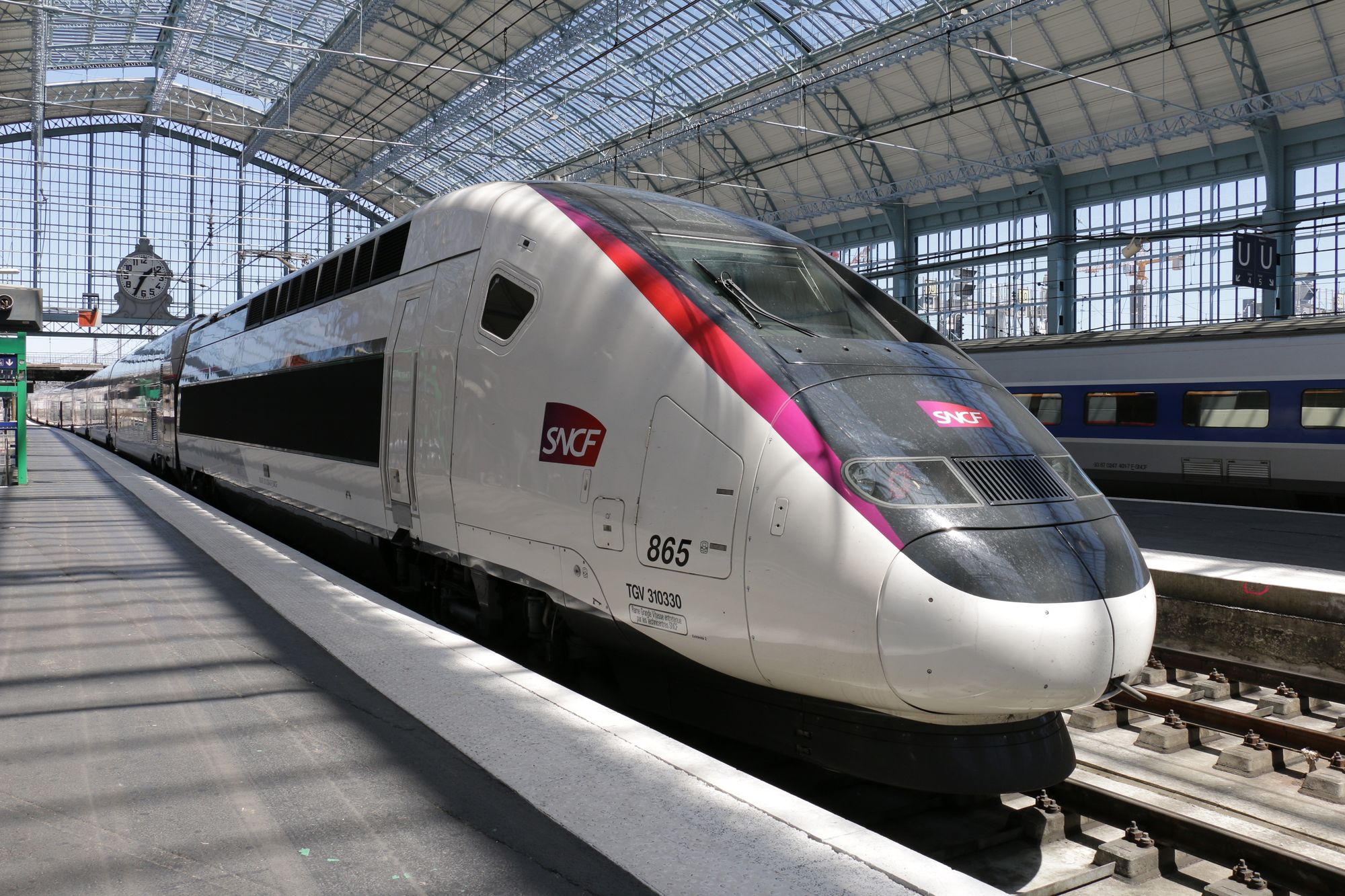
Zelra’s C-DAS development continues with our French customer SNCF. This includes work on SFERA, the European standard for real-time data exchange between infrastructure managers and operators. Zelra and SNCF’s collaboration is at the leading edge of Europe’s developing digital railway.
SNCF and Zelra’s partnership in France matters for DAS everywhere

Optimise your entire network with C-DAS
Zelra’s Connected DAS turns live network data into actionable in-cab guidance.

Real-time speed restriction updates
Speed restrictions issued or changed while the train is already running are applied dynamically to the journey in progress. The advisory profile recalculates immediately, so guidance reaches the driver at the point on the route where the restriction becomes relevant. This shortens the interval between a restriction being issued and the driver acting on it.


Live schedule and routing changes
C-DAS receives live updates from your Traffic Management System, including revised timings, diversions, altered stopping patterns, cancellations, and reinstatements. Each change is applied to the remainder of the journey and reflected in the advice, without interrupting the driver mid-task. Advice continues to reflect the current plan rather than a booked timetable that has been overtaken by operational events.


Disruption recovery
When a service falls behind, C-DAS recalculates a realistic recovery profile against the current state of the live network, including how the delay has affected the services around it. If recovery is not achievable within speed limits and train performance constraints, the system recognises this and continues to show location, next stop, and a recalculated arrival time.


Junction and signal approach
C-DAS advice reflects the paths and priorities held in the Traffic Management System, so drivers can pace their approach to junctions and signals against what the network is actually doing rather than the booked plan. Smoother approaches to signals mean steadier running, lower energy use, more consistent journey times, and a cleaner path for the services following behind.

Network performance and capacity
Running more consistently against the live plan means trains arrive at junctions and conflict points closer to their allotted times. This reduces the need for real-time regulation of train movements, and makes each service more predictable to the others around it. This capacity benefit is greatest at complex junction sequences, where small timing gains compound across many interacting trains.

Shared situational awareness
The control room and driver share the same picture of the live network. Operational changes are communicated as updated guidance through the in-cab screen, while Zelra's on-train system returns position and forecast data that supports network-wide regulation. Information flows both ways as conditions change, rather than being relayed through intermediate channels and reinterpreted at each handover.